
What is plagiarism, and what does it have to do with a 1st-century Roman poet? Learn more from your library.
The SAGE Encyclopedia of Higher Education defines plagiarism as “the use of others’ words or ideas without the appropriate acknowledgment. … Specifically, plagiarism involves a writer reusing propositional content and/or form of expression from another text without adequately signalling that relationship to the reader, and with an intention to mislead the reader about that relationship. (Pecorari, 2019, p. 17) … However, not all definitions agree that the appropriation of others’ words or ideas needs to be intentional to be considered plagiarism.”
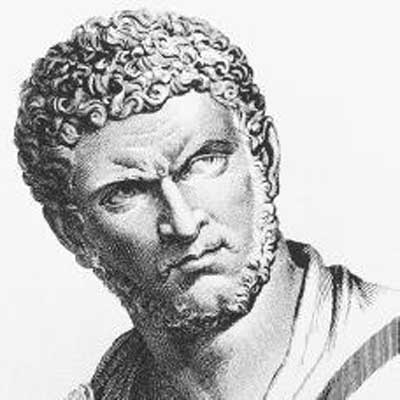
The article explains that historians trace the term plagiarism to 1st-c. poet Martial (Marcus Valerius Martialis), pictured above, who was tired of other poets reading his work as their own. He used the word plagiarus, meaning kidnapper.
Credo Reference’s topic page has more on plagiarism.
Daniel Victor wrote for The New York Times about an unfortunate case of plagiarism by novelist Jumi Bello. Her Novel Was Pulled for Plagiarism. Her Explanation Was, Too. It’s a good illustration of why plagiarism is such a big problem, and how some people may be tempted to do it again.
(For information about how to access The New York Times, see this FAQ.)
The best way to avoid plagiarism is to cite your sources. The library has a great tutorial for that, including some good visuals for understanding whether you might be plagiarizing. Any questions about citing? Ask a Librarian!